
Step Out and Find Color Around the Corner
Today, we dive into Street Art City Walks You Can Start in Seconds, celebrating spontaneous explorations that begin at your doorstep, a bus stop, or the corner shop. With a curious glance and a few smart tricks, you can meet murals, tags, stencils, and community stories almost immediately. Think of rapid, meaningful discoveries powered by your feet, your phone, and the city’s pulse. These walks are flexible, welcoming, and endlessly surprising, turning routine errands into living galleries, small detours into big memories, and everyday neighborhoods into vibrant, ever-changing museums under open skies.

Instant Routes from Wherever You Stand
Start at the nearest landmark
Begin at a transit exit, a corner cafe, or a familiar crosswalk, allowing a recognizable point to orient you. From there, scan utility boxes, shutters, dumpsters, and loading docks. A local baker once pointed us down a side street where a small stencil turned out to be the signature of a rising artist. That revelation reshaped the entire loop, proving that a simple hello or a sniff of roasted beans can open unexpected doors to living color.
The five-minute discovery loop
Commit to a simple pattern: right, right, left, and pause. In just five minutes, you can inspect doorways, alley fences, and mailboxes, noting patterns of stickers and wheatpaste seams. This short loop reveals recurring characters, crew names, and neighborhood moods. We once found three versions of the same rabbit character, each altered by different hands, telling a playful conversation across fences. Five minutes becomes an invitation to slow down, look closely, and let curiosity rewrite your schedule.
Weather-proof pivots
Rain or glare can shift what you notice. On drizzly afternoons, paste-ups glow and drips tell fresh timelines. On bright days, metal shutters and high walls are easier to scan. Embrace the weather as your guide, switching sides of the street to reduce glare or following puddles that mirror saturated colors. We once followed umbrellas toward a tunnel where block letters echoed like thunder, proving that a gray forecast can brighten your route with unexpected mood and texture.
Tags, throw-ups, and crews
Tags are signatures, swift and confident. Throw-ups expand the gesture with bubble letters or outlines, often placed for visibility and speed. Crews coordinate styles and territories, turning individual marks into shared narratives. When you notice overlaps, you witness quiet negotiations: a dated tag under a fresh fill, a swapped colorway nodding to friendship. These clues guide your walk, letting you trace relationships and routes of influence without a map, while cultivating respect for the risk, labor, and coded etiquette behind each mark.
Stencils and paste-ups that whisper
Stencils often compress complex ideas into sharp silhouettes, multiplying images across blocks in minutes. Paste-ups carry humor, propaganda, poetry, and portraiture, sometimes layered five deep on the same pole. On a windy morning, we saw a peeling paper reveal another artist’s poem beneath, transforming our stop into an accidental archive. Look for edges, shadows, and repeating motifs that bind different voices into one wall. These delicate whispers reward patient eyes, proving small gestures can spark big conversations during even the shortest walk.
Community murals that speak back
Murals frequently involve neighbors, historians, or youth groups, embedding local memory into vibrant surfaces. Dates, dedications, and sponsor logos can signal permission, process, and collaboration. When residents tell stories about a mural’s subject, listen closely; these oral footnotes illuminate context a plaque cannot. We once met a teacher who helped paint the background stars, describing how students mixed blues at dusk. Such moments anchor your route emotionally, reminding you that public color often lives at the intersection of craft, care, and shared responsibility.
Learning to Read Paint, Paste, and Steel
Street art is a fast language, blending bold gestures with quiet details. Understanding this language makes instant walks richer. Tags hint at presence, throw-ups at speed, murals at community permission, and paste-ups at tactical storytelling. As you read, you start hearing a neighborhood’s voice: who resists, who celebrates, who organizes, who dreams. Each layer stacks history, disagreement, humor, and hope. By learning a few visual clues, you can recognize evolving dialogues, respect their rhythms, and shape your route to honor the energy that created them.
Your Pocket Toolkit for Fast Walks
You already carry most of what you need. A phone for maps, photos, and quick notes; a portable charger; and comfortable shoes create freedom. Set up lightweight navigation and respectful camera habits before stepping off the curb. Simple checklists keep your mind open rather than tangled in logistics. With minimal prep, you can respond to sudden leads, track evolving walls, and share finds responsibly. Pack curiosity, patience, and gratitude, and the city will often repay you with serendipity, generous locals, and colors you would otherwise miss.

One-minute mapping setup
Drop a pin where you start, then save a starred place when you find something special. Download offline maps for weak signal zones, and mark tunnels, train underpasses, and legal walls. Create a simple color code: red for returns, green for fresh paint, yellow for uncertain leads. This quick routine helps you pivot without getting lost, while building a personal atlas of micro-galleries you can revisit, recommend, or expand into longer excursions when time opens up unexpectedly.
Photographing with care and context
Frame the work respectfully, avoiding faces unless given permission, and note nearby details that reveal meaning. Include a wider shot to document placement, then a close-up of textures or signatures. If a resident shares history, ask permission to quote or record. We once captured a mural’s reflection in a bus window, pairing motion with permanence. Thoughtful habits honor artists and neighbors, reducing harm while strengthening your archive. Your camera can advocate for dignity, context, and wonder, not just quick likes.
Micro-guides and playful AR layers
Use simple note apps to craft mini routes others can follow in fifteen minutes, adding emojis for cues and accessibility notes for strollers or wheelchairs. Experiment with augmented reality filters to annotate walls with dates and credits, then toggle them off to re-experience silence. These lightweight tools deepen engagement without killing spontaneity. We once overlaid a timeline of repaints on a loading dock, helping friends see change itself as the artwork, turning a brief visit into an unfolding, shared investigation.
Safety, Timing, and Respect on the Streets
Great walks depend on awareness and community care. Choose well-lit routes, go with a friend at night, and follow your instincts. Respect residents’ privacy, businesses’ operations, and artists’ intentions. Morning light is ideal; weekends can be lively; rainy dusks reveal texture. Accessibility matters, so note curb cuts, ramps, and crowd levels. When in doubt, ask locals for advice. Respect fosters trust, and trust opens doors: an invited glance behind a shutter, a tip about a new wall, or a smile that brightens your return loop.

Finding Hidden Gems and Living Layers
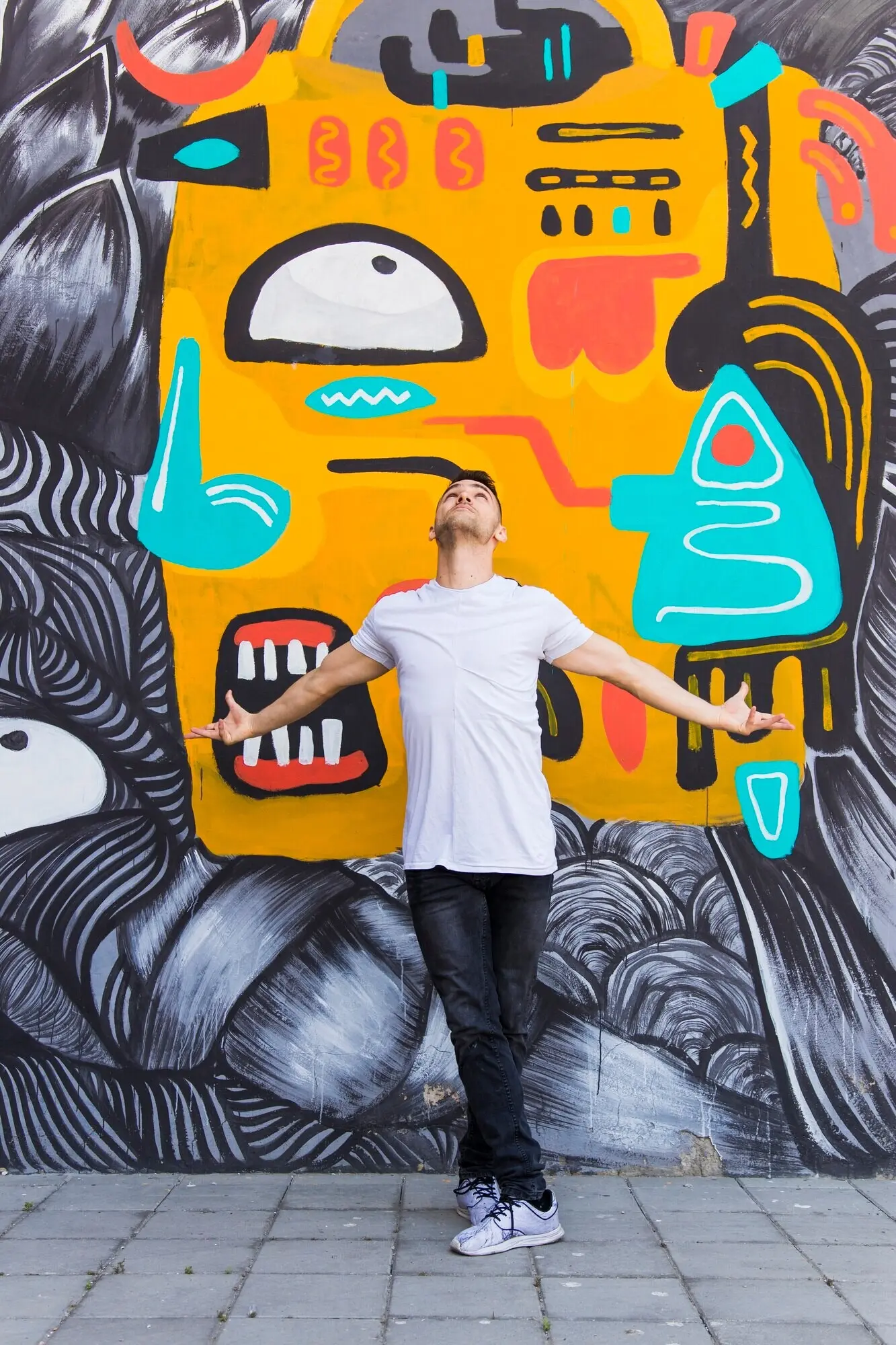
The best surprises often hide in plain sight: on roll-down shutters, utility doors, side-streets, and quiet courtyards. Fresh paint smells faintly sweet; buffed patches suggest a recent change; sticker clusters imply a popular corridor. Slight patterns guide your next turn. Listen for cans rattling or ladders clinking at dusk. We once trailed faint overspray to a warehouse corner where a half-finished character winked from the brick. Treat each block like a palimpsest, noticing echoes of what was and hints of what will be.
Share, Support, and Keep the Colors Alive
Street art thrives when communities care. Support local cafes and corner stores along your walk, tip artists at legal walls when possible, and share respectful documentation. Contribute notes to open maps so others can enjoy short, accessible loops. Invite friends to try a five-minute route during lunch. Respond to neighbors’ stories with gratitude, and ask how you can help protect cherished surfaces. By subscribing, commenting, and suggesting new starting points, you become part of a generous circle that keeps color circulating through everyday life.